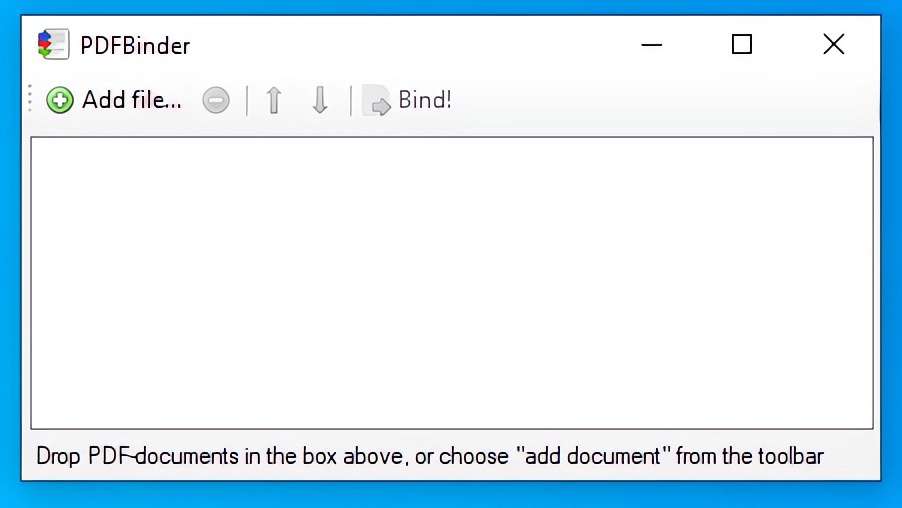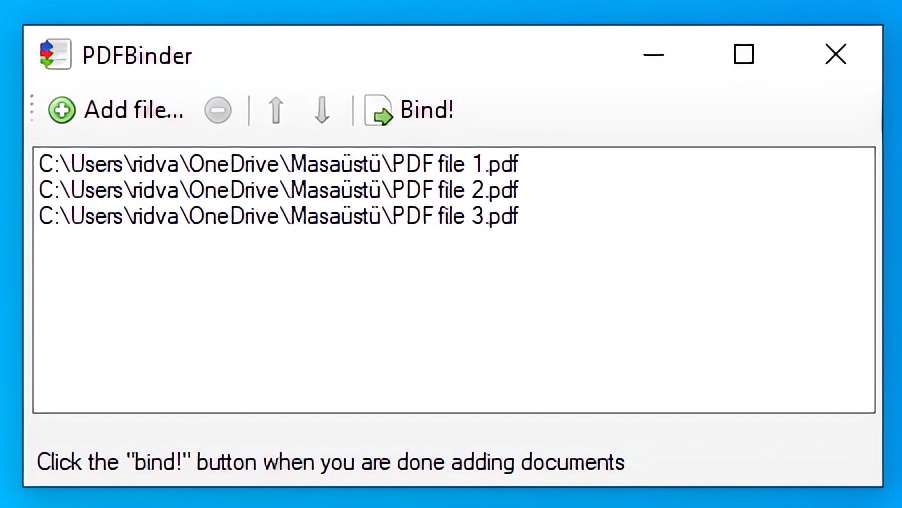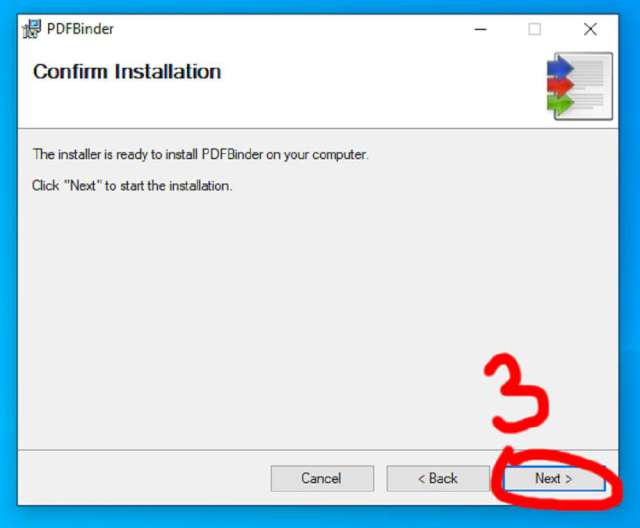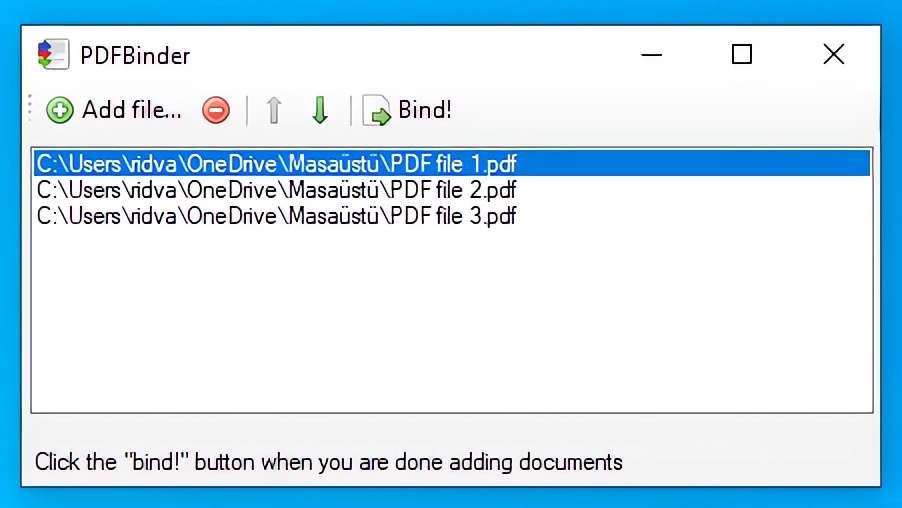
Consolidating multiple standalone documents into a single unified repository represents a fundamental optimization step within contemporary digital file management pipelines. The specialized PDF aggregation software circumvents complex operational friction by minimizing the necessary execution path to a handful of intuitive adjustments. The application dashboard utilizes a highly streamlined interface built around functional control nodes dedicated to file acquisition, list clearance, hierarchical repositioning, intuitive drag-and-drop integration, and compilation processing. This minimal structural design guarantees that technical professionals and casual operators alike can easily sequence extensive document pools within seconds.
The automated workflow triggered by shifting native documents directly into the application matrix introduces significant time savings during high-volume administrative tasks. Once files populate the main workspace directory, removing accidental inputs requires nothing more than selecting the target element and executing the native keyboard delete command, while secondary assets can be continuously introduced through the primary file navigation window. Operators maintain full control over the structural sequence, rearranging individual page flows through fluid lateral movements across the interface. When processing a substantial asset cluster consisting of fifteen separate documents, the compilation framework groups the assets within a singular container file in under a minute, delivering an immediate high-visibility completion status upon execution.
Volumetric Analysis and Architectural Enhancements
The underlying compilation engine merges original file streams consecutively without applying lossy compression algorithms, resulting in a finalized document size that closely reflects the combined aggregate volume of the source assets. This processing method might require the deployment of secondary cloud-based file reduction tools if strict platform storage boundaries must be maintained during subsequent distribution. Leveraging independent web optimization systems alongside the desktop utility establishes an efficient balance between data fidelity and network speed requirements.
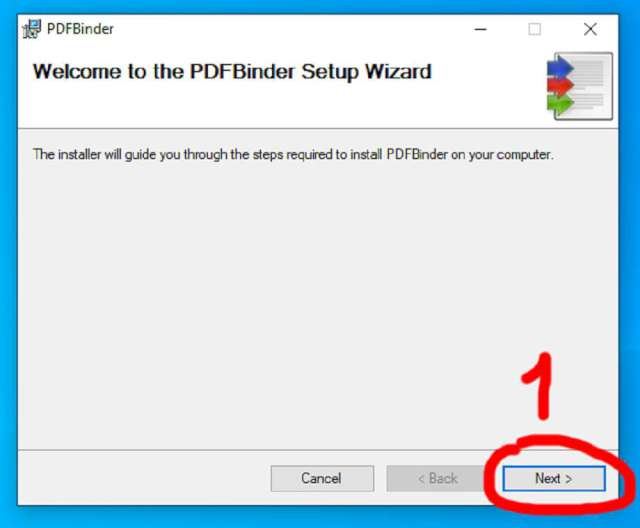
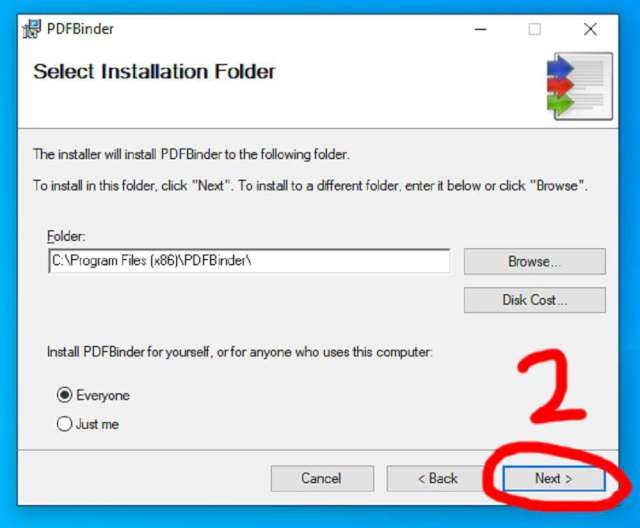
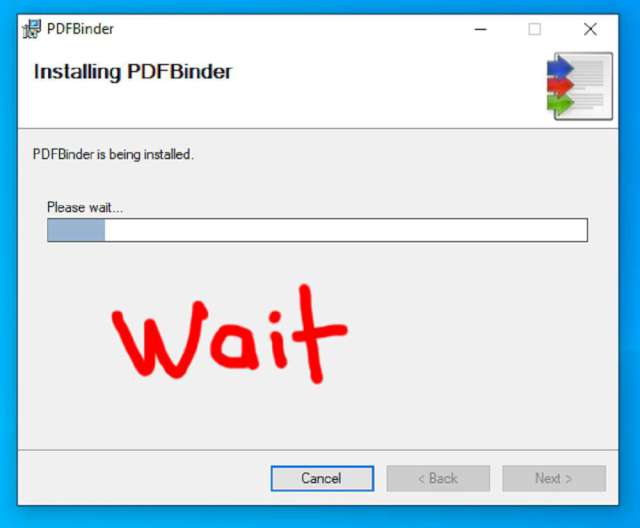
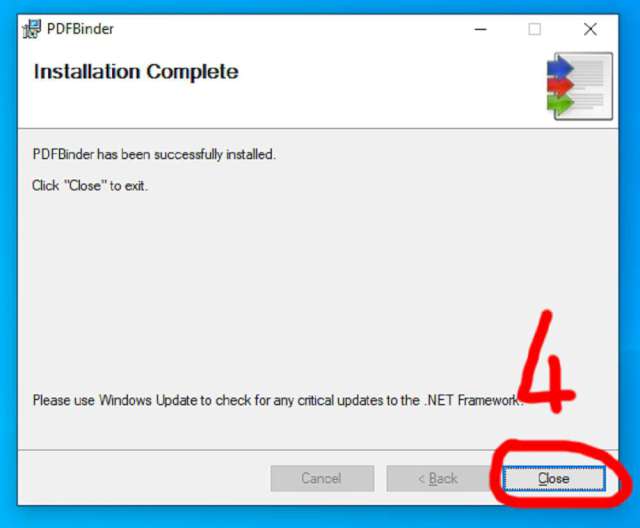
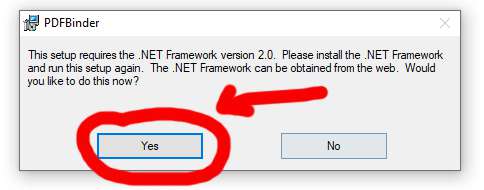
Recent evolutionary updates to the software core introduce intelligent automation capabilities, including an internal sorting framework that automatically organizes incoming files by alphabetical name structures or embedded document page hierarchies. These systematic automation layers eliminate manual sorting overhead, transforming a standard document utility into an autonomous desktop component. Operating seamlessly across modern workstation platforms including advanced Windows 11 environments, the lean installer package maintains a highly restricted storage footprint of just over three megabytes to prevent server latency. The intelligent setup wizard monitors the underlying system architecture for requisite execution dependencies such as legacy framework versions, guiding the operator through necessary backend updates to establish an uninterrupted deployment. Concluding the integration process provides a stable, highly efficient document management utility fully optimized for prolonged personal or enterprise utilization.
| File | Summary + Labels | Uploaded | Size |
|---|---|---|---|
| PDFBinder-v1.2 | Featured Type-Installer OpSys-Windows | 2011 | 1.68MB |
| PDFBinder-v1.1-source | source archive OpSys-All Type-Source Deprecated | 2010 | 48.53KB |
| PDFBinder-v1.1 | installer Type-Installer OpSys-Windows | 2010 | 1.54MB |
| PDFBinder-v1.0-source | source archive Type-Source OpSys-All Deprecated | 2009 | 36.33KB |
| PDFBinder-v1.0 | installer Type-Installer OpSys-Windows Deprecated | 2009 | 1.53MB |