
Microsoft Word 2019 stands as a definitive application engineered to deliver an exceptional ecosystem for crafting, refining, and distributing text documents. Frequently utilized across professional environments and everyday routines, this software maintains an enduring reputation for stability alongside stellar practical utility. This overview examines the specific qualities that render the 2019 edition highly valuable.
Primarily, the extensive array of features empowers you to generate sophisticated materials including corporate summaries, formal correspondence, and career resumes swiftly. The intuitive workspace paired with an expansive layout selection brings immense comfort. You retain the ability to customize files via the addition of imagery, structured charts, and diverse graphic elements while rectifying textual slip-ups using advanced grammatical verification tools. Operating on a live visual preview system, the platform grants absolute governance over the final layout throughout the creation phase.
A prominent attribute involves instantaneous teamwork functionality. This asset enables you to modify an identical file concurrently with colleagues, exchange immediate feedback, and execute assignments with heightened efficiency. The package operates fluidly across diverse operating systems such as Apple Macintosh and Android setups. Consequently, you can engage with your materials at any moment from any destination regardless of your physical location.
The application elevates the composition journey by incorporating modern enhancements aligned with contemporary operating systems. The subsequent catalog highlights the major advancements found within this edition.
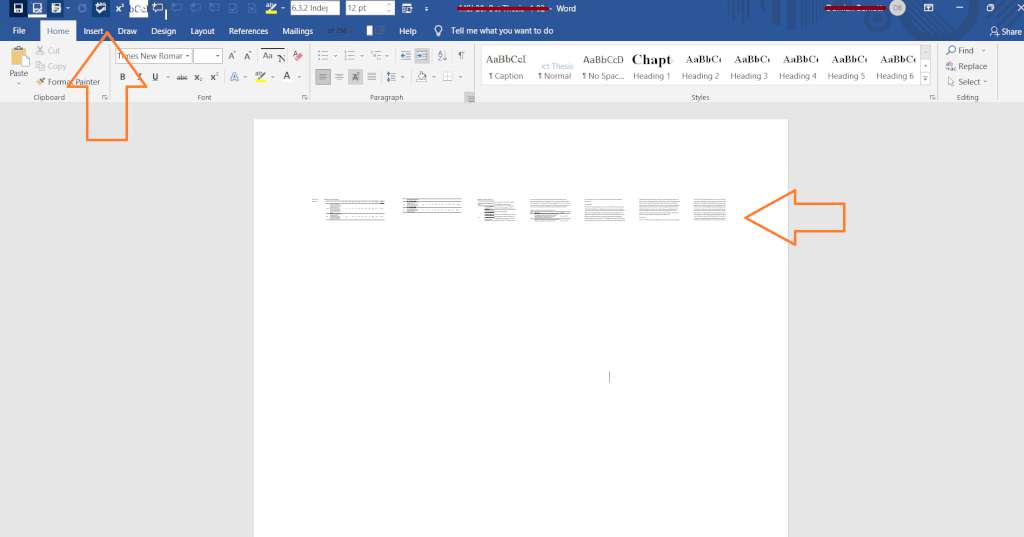
- Simultaneous Authoring allows multiple individuals to edit a single file concurrently to enhance collective output.
- The Streamlined Interface delivers a polished workspace that removes external interruptions during composition.
- Automated Backups secure your materials directly to cloud infrastructure to eliminate data loss anxieties.
- Night Mode assists by mitigating ocular fatigue during extended work sessions.
- The Asset Repository contains premium stock photography, iconography, and diverse graphical components.
- The Intelligent Search Engine provides an adaptable navigation tool to locate specific elements instantaneously.
- Concentration Mode isolates a single textual line to minimize peripheral distractions.
- Modern Illustration Assets facilitate the straightforward generation of sophisticated diagrams.
- The Compliance Evaluator sends notifications to guarantee your text remains accessible to all readers.
- Extended Format Support accommodates open documentation standards to amplify cross-platform agility.
- Natural Layout Options grant your materials an organic appearance resembling authentic penmanship.
These tailored enhancements transform the package into an exceedingly robust solution for independent operators and cooperative networks alike.
Document Software Evaluation
The two prominent applications for generating and refining text are Microsoft Word and Google Docs. The desktop solution necessitates local installation while providing exhaustive capabilities, whereas its web-based counterpart functions within cloud environments to offer a minimalist workspace. Selecting the superior option hinges upon individual operational demands.
The desktop platform delivers an immense variety of utilities spanning elementary adjustments to highly sophisticated configurations, establishing itself as the premier choice for corporate assignments via macro automation. Conversely, the web alternative features an uncomplicated layout alongside dependable collaborative assets.
Regarding file versatility, the desktop program accommodates an expansive variety of extensions. The alternative cloud platform aligns predominantly with internet-compatible configurations.
The pricing models differ significantly. The traditional application operates under a premium structure through subscription plans or a single upfront transaction. The cloud alternative remains available without financial cost for anyone possessing a standard electronic mail account.
Ultimately, both platforms present formidable advantages. The desktop system suits operators demanding advanced processing capabilities alongside broad extension support. The cloud option remains highly practical for academic learners and evolving enterprises owing to its uncomplicated nature, zero expense, and exceptional team utilities.
Deployment Procedures
Setting up the word processor on modern operating systems involves a straightforward sequence through several available paths.
- Cloud Subscription plans grant immediate access to the full office suite. Following registration, you can download the application from the official digital storefront or corporate website to gain perpetual upgrades and cloud storage.
- The Standalone Perpetual Package provides the core office applications via a single transaction, though continuous updates might require transitioning to cloud plans.
- Factory Configurations on select computing devices tailored for corporate or academic environments come with the application pre-installed.
Intelligent Assistant Enhancements
The modern artificial intelligence companion integrates directly into your workspace applications to assist operators in executing daily objectives with greater velocity and precision.
The assistant employs natural language comprehension to interpret your directions, generating, modifying, or condensing text accordingly. For instance, requesting an overview of meeting discussions yields a succinct outline. The system additionally automates repetitive duties like composing reports or answering messages.
The implementation yields distinct corporate advantages.
- Efficiency Boosts save valuable time by automating recurring operational chores.
- Creative Facilitation introduces diverse conceptual paths and phrasing options.
- Cooperative Alignment fosters superior team dynamics.
Within the editing workspace, the assistant manages specific objectives.
- Generates comprehensive preliminary drafts regarding any selected theme.
- Condenses extensive textual passages into brief overviews.
- Rectifies syntax blunders while improving overall phrasing flow.
- Provides stylistic advice to ensure documents achieve an elegant appearance.
This integration delivers a highly gratifying and productive editing environment, managing routine technicalities so you can dedicate energy to imaginative concepts.