
You are wondering about Auslogics Disk Defrag? Let me break it down for you.
Auslogics Disk Defrag is widely considered one of the best disk defragmentation software for Windows 10 or 11. It handles disk repair tasks effectively too. Now sure, Windows comes with its own built in defrag tool that runs weekly. But lets be honest just because Microsoft makes it doesnt automatically mean it is the best option out there.
Auslogics has carved out a reputation for itself. It repairs your operating system and performs a thorough defrag on your hard drive. If you are hunting for a top quality disk defragmenter, this one’s worth your attention.
Here is the good news: you can grab it straight from the official website. I have included a link. When the page loads, just click that “Free Download” button and you are off to the races with the installation file completely free.
Quick Specs :
- File Size: 205 MB (21,517,384 bytes)
- Installer Version: 11.0.0.4
How Disk Defrag Actually Works
Here is what happens under the hood. When you save files to your computer, the data gets scattered across different spots on your drive. Over time, as you delete, modify, and add new files, gaps start forming between these data chunks. That fragmentation slows everything down. Your system has to hunt across the entire disk just to pull together one file’s pieces.
That is where Disk Defrag steps in. Think of it like a digital housekeeper that reorganizes those scattered pieces into neat adjacent blocks. Imagine a messy kid’s bedroom once someone picks everything up, the room looks way more organized. Auslogics Disk Defrag does exactly that for your hard drive, giving your system a noticeable speed boost.
And the best part? It wont cost you a dime.
A more technical perspective:
When data hits your hard drive, it typically gets split into smaller chunks and stored in non adjacent spots. This fragmentation forces the drive’s read/write head to bounce around like mad trying to collect all the pieces, which slows access times dramatically. Disk Defrag solves this by storing related data closer together, reducing the time your drive spends hunting for files and ramping up performance.
The Good and The Bad
Pros:
- Performance wise, Auslogics outshines Windows’ default tool by a solid margin. It even tackles those “unmovable clusters” that Microsoft’s version cant touch.
- The free version delivers a complete defrag that is a huge win.
- The PRO version handles SSD drives, which is a fantastic bonus.
Cons:
- Here is the annoying part: the installer tries to sneak extra programs onto your system (looking at you, Auslogics Driver Updater and BoostSpeed 11).
- All three programs launch at startup, bogging down your boot time. I honestly dont see why Auslogics Disk Defrag needs to start automatically. If the defrag runs on a schedule, why keep the program open?
- Every so often, a popup appears in the bottom right corner pitching other tools. it is irritating and frankly unnecessary this isnt a security app.
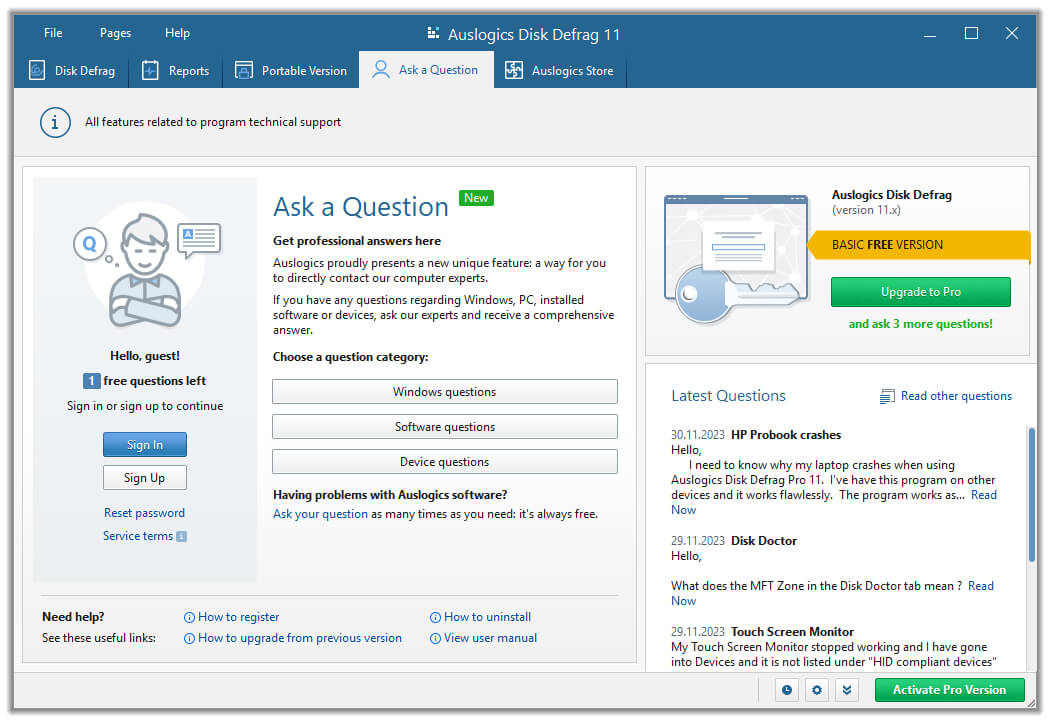
- Outside the “Defrag” button, most other buttons seem designed to push the developer’s other products. Click one, and it either opens another program or launches a browser window promoting something else. Clean design? Not so much.
Key Features
- Developer: Auslogics Software Pty Ltd
- OS Support: Windows 11, 10, 8.1, and 7
- Function: Disk Defragmentation
- License: Feature-limited freeware
Navigating the Interface
Auslogics is pretty straightforward once you get the hang of it. But fair warning there is no Turkish language support. The English interface might feel intimidating at first with all those buttons scattered around.
Dont panic.!!
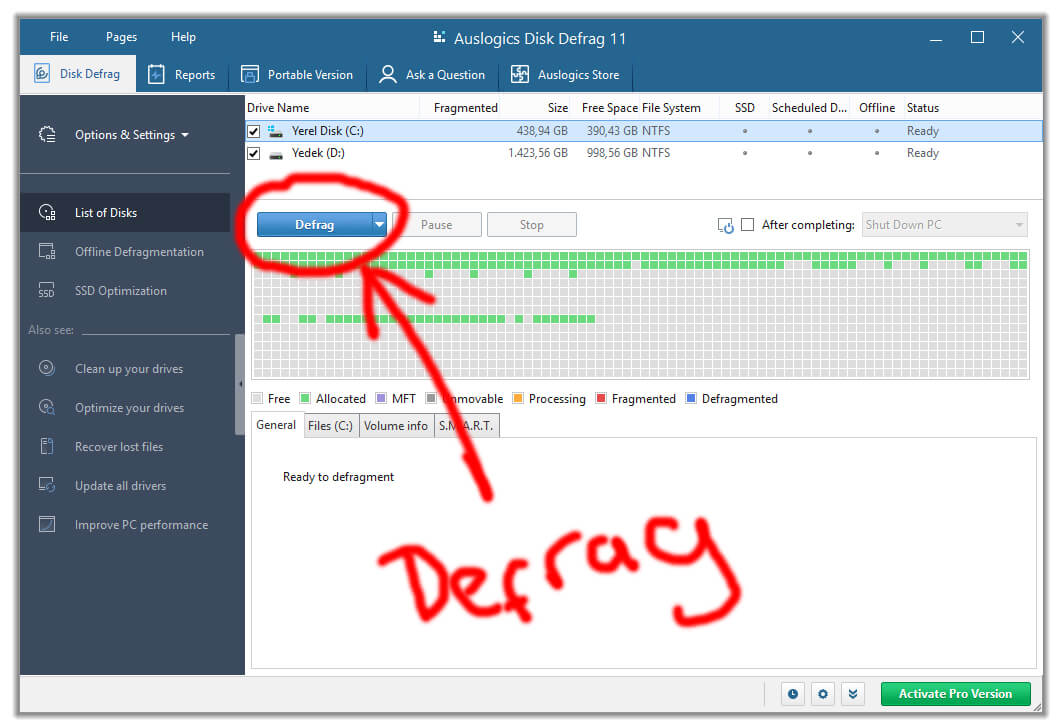
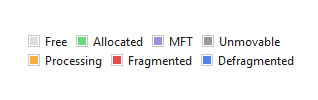
The program’s main job is repairing damaged hard drives. The blue “Defrag” button is your best friend. Click it, and the defrag kicks off automatically. Depending on how many files you have got stored, it might take a while. The defrag window uses different colors to show what is happening:
- Red: Fragmented sections
- Green: Healthy disk surface
- Blue: Active areas being repaired
- Light Gray: Free space
- Dark Gray: Protected system areas
- Purple: Partition data info
- Yellow: Mixed cells
Free vs. Pro: Similarities
Both versions share a solid foundation. They both:
- Defragment disks
- Run analysis
- Optimize drives
- Perform quick scans
- Check for disk errors
- Clean up free space
Why It Doesnt Really Matter ?
Scheduled Defrag Pro: Do you need this? Windows already handles weekly defrag tasks automatically. No point having a second app doing the same job.
Startup Optimization Pro: This supposedly speeds up boot times by optimizing startup programs. But here is the thing you can fix this yourself in two minutes:
- Open “Run”
- Type “msconfig” and hit OK
- Head to the “Startup” tab
- Uncheck everything except your security software
- Hit OK and restart
Problem solved without spending a penny.
SSD Optimization Pro: Windows already takes care of this before defragging. it is unnecessary.
Smart Defrag Pro: This automatically consolidates free space as you use your computer, preventing fragmentation before it happens. But guess what? Windows does this behind the scenes anyway.
Why Use a Dedicated Defrag Tool at All?
You might be thinking: “If Windows already does all this, why bother?”
Fair question.
Here is the deal: Windows wont touch protected files or hidden system folders. The risk of corruption during defrag makes Microsoft play it safe. One bad sector and those protected files could get scrambled.
Auslogics Disk Defrag tackles everything. No file gets left behind. Worried about damage? That is precisely why we use this program it is designed to defrag protected files without causing harm.
Important note: Run this program every six months or once a year. That is plenty. Remember, Windows handles the minor defrags weekly. Running this constantly is just overkill.
How to Use It ?
Still nervous about using it? Dont be. Despite the English only interface, it is incredibly simple. The program’s purpose is straightforward: defrag and repair your disk. Hit the scan button, then click “Defrag” or “Repair.” Think of it like a semi automatic car you just confirm the steps.
To run a disk scan, click the “DEFRAG” button in the scanning graph. If your drive is fragmented or needs serious work, expect 15 25 minutes. In better shape? Probably about one minute.
What Do Those Other Menu Buttons Do?
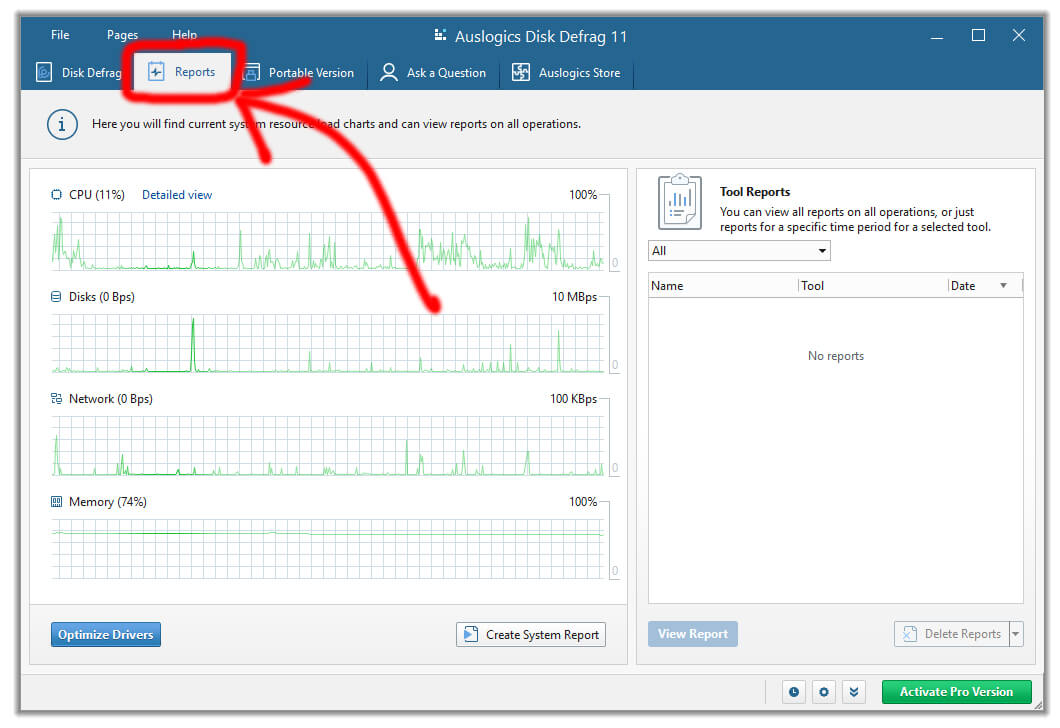
Reports: Up top there is a “Reports” tab showing graphs for CPU usage, real time disk speed, network activity, and memory. Handy for seeing how hard your system’s working during defrag. The blue “Optimize Drivers” button just tries to sell you Auslogics Driver Updater (also paid).
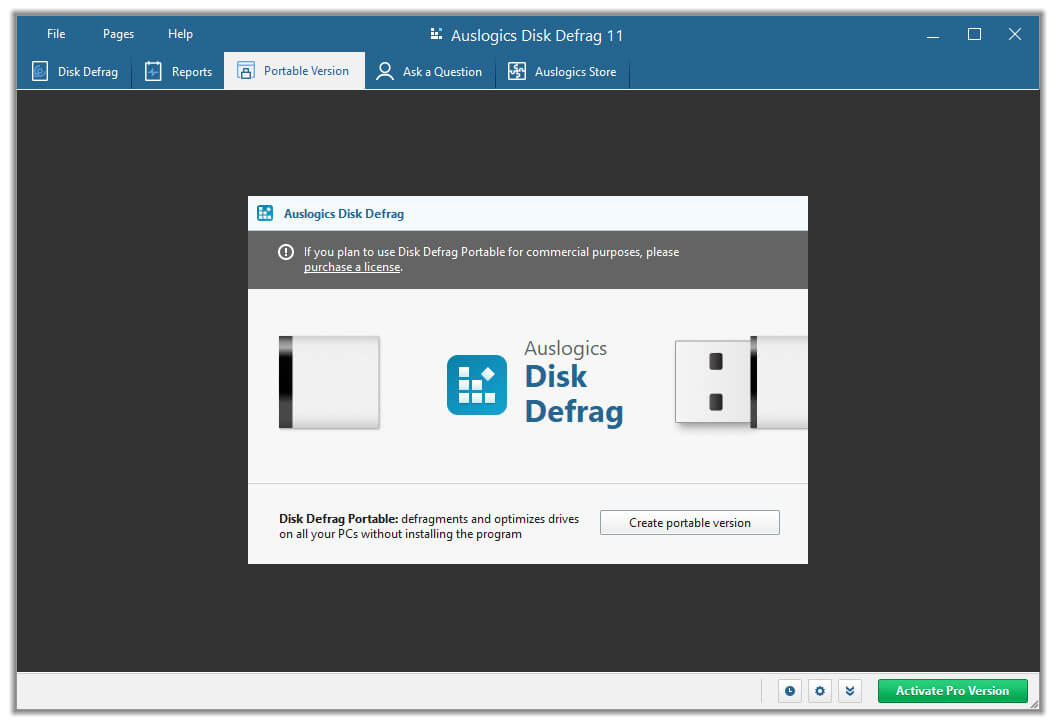
Portable Version: There is a button that creates an installer free version of the program.
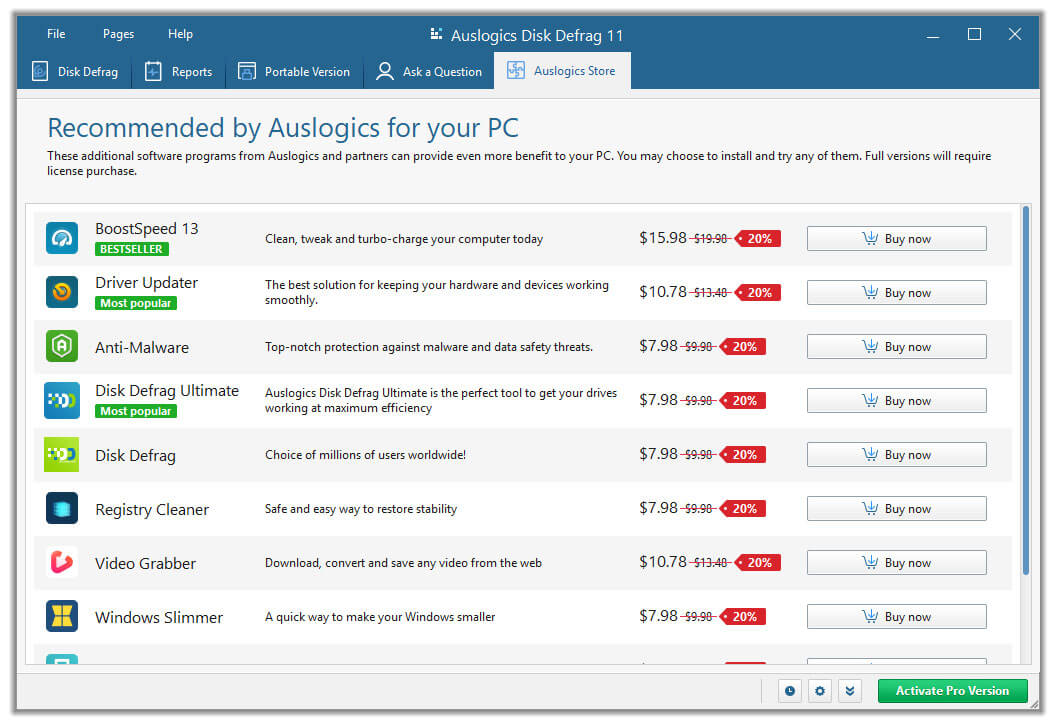
Auslogics Store: This section is basically a shopping window for the company’s other products. If you are curious about their ecosystem, knock yourself out.
The Main Defrag Menu:
- Disk List: Opens the defrag screen with the results graph. This is where you will find the real “Defrag” button. Select the drive you want, then hit that button.
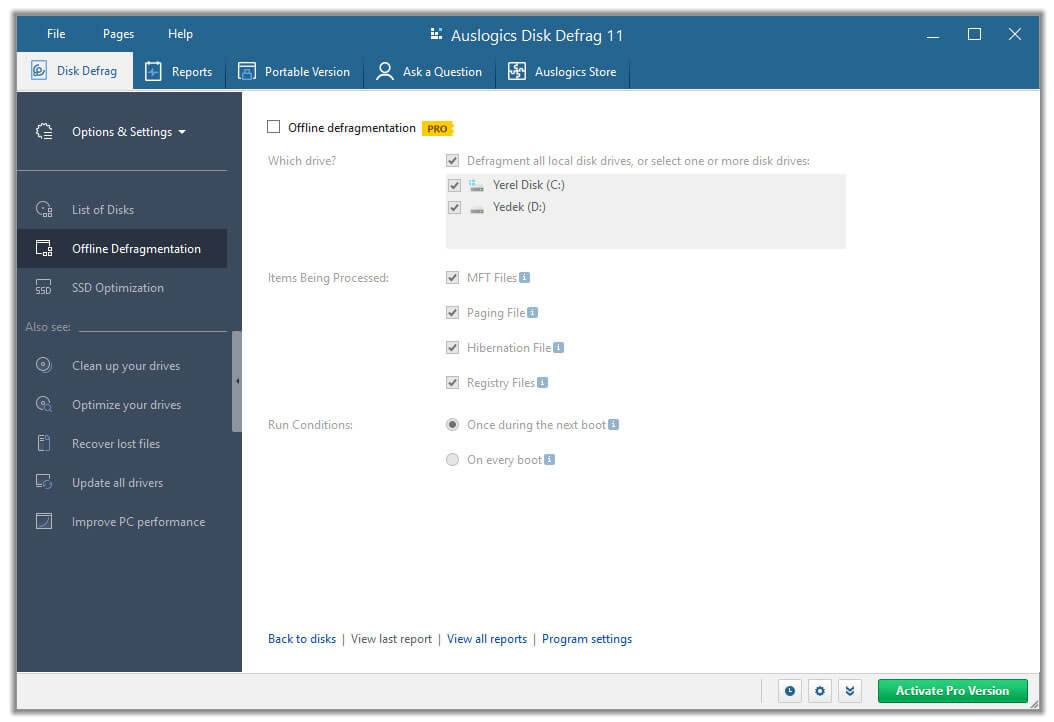
- Offline Defrag (PRO): Defrags system files Windows uses like pagefile.sys, hibernation files, and registry files. Worth it if you rarely reformat. But if you are formatting every few months, you probably dont even need a defrag tool at all.
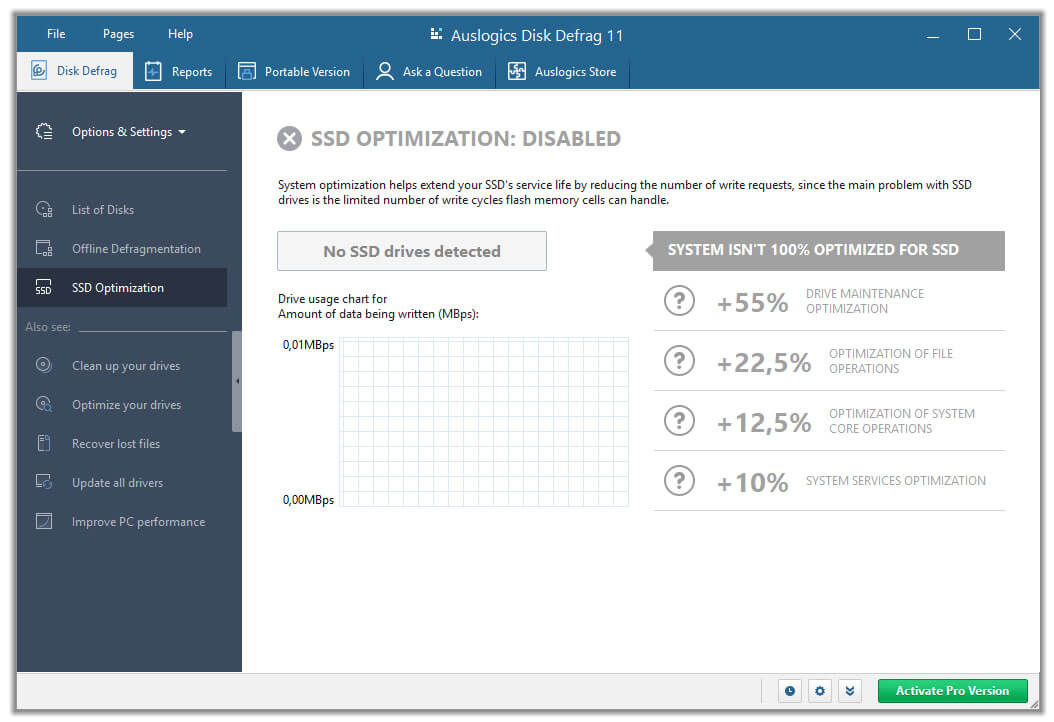
- SSD Optimization: If you have got a solid state drive installed, this feature defrags it. Useful if you store data long term on your SSD. If you are using your SSD as a “write once, read many” drive? Skip it.
The Rest of the Buttons
I wont bore you with the rest. They are just links to other programs the company makes driver updaters, cleaners, file recovery tools, you name it. The developer packed everything into one dashboard.
The program itself is simple and doesnt need much explanation. But for those curious, I have laid it all out. Hope this helps! Drop any questions in the comments I am happy to help.
The Interface Breakdown
Before a scan, your fragmented disk looks chaotic. Click the “Disk List” button to start. The scan takes about five minutes.
Afterward, those red cells and other damaged areas get merged back together for a healthy disk.
One last thing: Disk defrag should be a weekly maintenance task on Windows. The built in tool handles this fine. But it wont repair damaged areas that is where specialized software shines. Just dont run Auslogics every week. Doing that alongside Windows’ scheduled defrag could actually wear out your disk surface. Every six months to a year is the sweet spot.
And whatever you do, dont use your computer while it is defragging. Just let it finish.
FAQs
How Do I Uninstall Auslogics Disk Defrag?
When you install a program like this, it spreads files across multiple folders. Even after uninstalling, Registry entries might linger hundreds of them. About 15 MB of data typically stays behind, storing user preferences and program specific info.
Here is how to fully remove it:
- Click “START” and open “Control Panel”.
- Find “Add/Remove Programs”.
- Locate Auslogics Disk Defrag in the list.
- Right click and select “Uninstall”.
- Follow the prompts and hit “Continue” to complete removal.
What is the Best Disk Defragmenter?
Looking at what really matters speed, completeness, and reliability here is my ranking:
- Auslogics Disk Defrag
- Defraggler
- Condusiv Diskeeper
- Glarysoft
- IObit Smart Defrag
- O&O Defrag
- Raxco PerfectDisk
- SysTweak
- CCleaner Defraggler
Is Smart Defrag Any Good?
Smart Defrag comes bundled with IObit’s software package. It gets the job done reliably both free and complete. At first glance, you might think it is just adware since it installs alongside IObit. But it is a legit defrag tool.
During our tests, it successfully defragged every file on the disk, including Windows protected ones. It scores roughly 92% effectiveness compared to other options.
Pros:
- Intuitive interface with easy controls.
- Defrags multiple drives simultaneously (huge time saver).
- Free version is fully functional no “buy Pro to finish this file” nonsense.
Cons:
- Pro features cost money if you want extra tools (but if you just need a defragger, stick with free).
Remember, the free version of Auslogics Disk Defrag is technically a demo. You wont get the extra features without upgrading. But if all you need is a solid disk defrag, the demo version works just fine.