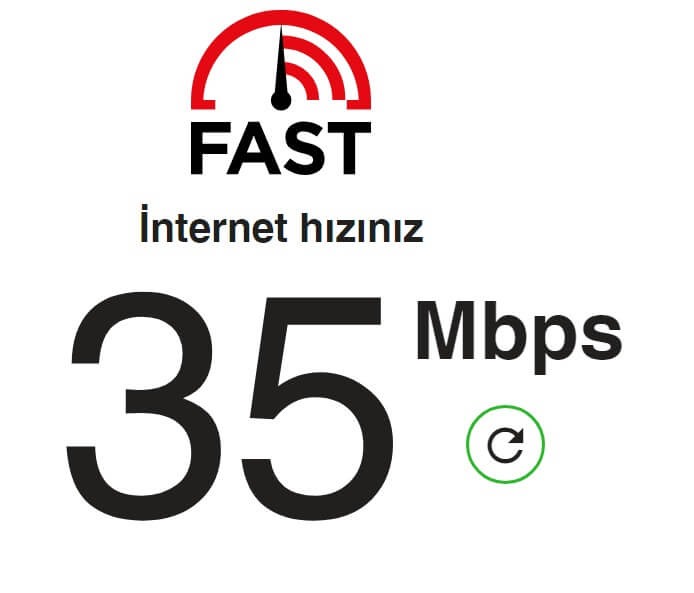

In corporate web architecture, incorporating client-side performance diagnostics has transitioned from an auxiliary feature into a core asset for enhancing platform engagement and securing operational transparency. Integrating a dedicated network evaluation framework within an independent content management ecosystem allows platform administrators to transform standard web properties into authoritative connectivity hubs. The specialized internal testing utility handles complex background diagnostic calculations through a streamlined, lightweight framework that minimizes server-side processing overhead. By executing automated asynchronous scripts, the program establishes a direct data communication channel between the endpoint visitor device and optimized cloud servers to evaluate immediate transfer speeds, data delivery latency, and comprehensive packet loading integrity seamlessly.
Deploying this diagnostic interface involves utilizing standardized plugin acquisition protocols within the centralized administration terminal. Activating the application asset immediately introduces a clean, shortcode-driven deployment infrastructure, permitting operators to render a fully functional testing node inside any public layout grid or technical article by executing the main tracking command. This architectural simplicity eliminates the necessity for manual database overrides or complex script injections, providing an instant diagnostic station while simultaneously opening advanced administrative panels where senior developers can modify backend server allocation parameters and operational thresholds with absolute precision.
Maintaining strict design cohesion across corporate digital assets demands flexible formatting parameters that allow the diagnostic interface to adapt dynamically to diverse brand identities. The underlying development framework supports targeted style and linguistic parameter adjustments directly within the core shorthand command structure, enabling seamless transitions between high-contrast dark environments and minimalist light presentation modes. Furthermore, the interface supports automated geographical localization alongside explicit targeted language definitions, ensuring international demographics encounter culturally relevant terminology without generating visual anomalies or breaking spatial boundaries. These granular visual adaptations reinforce professional brand authority, positioning the network assessment utility as an organic extension of the primary host platform rather than a generic third-party plug-in.
While independent testing frameworks provide exceptional utility, their operational outputs remain subject to external technical variables that require objective interpretation. The benchmarking mechanism routes temporary data traffic through decentralized external server nodes, meaning that final performance readouts reflect concurrent network load constraints, localized client hardware efficiency, and specific browser security configurations. Consequently, web developers view these tools as tactical user engagement instruments rather than absolute laboratory-grade measuring apparatuses. Maximizing measurement consistency involves stabilizing the local testing environment by prioritizing physical ethernet connections over wireless signals, terminating extraneous background downloads or pending software updates, and aggregating multiple diagnostic passes across varied operational windows.
Interpreting raw data parameters successfully involves analyzing separate bandwidth channels, beginning with downstream delivery rates that govern rich media streaming and complex cloud asset retrieval pipelines. Conversely, upstream transfer velocities dictate the stability of active outbound data transmissions and high-fidelity video conferencing connections, making robust metric outcomes vital for remote enterprise operations. Combining these bandwidth measurements with real-time latency monitoring, which tracks the precise millisecond cycle required for a data packet to complete a round-trip request, yields a comprehensive overview of local network health. For instantaneous validation, digital consumers frequently leverage search engine engine diagnostic modules directly from primary search fields, establishing an authoritative benchmark to cross-examine internal plugin telemetry. Employing this dual-layered data strategy allows site managers to objectively address complaints regarding platform latency by separating hosting infrastructure constraints from verified client-side connectivity limitations.